

HEVC, AV1, VVC: The Secret Tech Behind Your 4K Binge-Watch
The Hidden Magic of Streaming Quality
There’s a certain expectation we’ve all developed when streaming video: high resolution, smooth playback, and no interruptions—even on a less-than-perfect internet connection. Platforms like Netflix and YouTube deliver this experience consistently, but the technology that makes it possible often goes unnoticed.
At the core of this seamless delivery are video codecs—compression tools that reduce file sizes while preserving visual quality. They operate silently in the background, enabling everything from 4K streaming to fast downloads and efficient storage.
While most viewers never think about codecs, they play a critical role in how we watch, share, and archive video. For content creators, developers, or anyone managing a video library, understanding how codecs have evolved—and where they’re headed—can help ensure your media remains accessible and future-ready.

Meet the Modern Codecs: HEVC, AV1, and VVC
The crisp 4K streams, smooth playback, and surprisingly small file sizes we’ve come to expect aren’t just the result of faster internet—they’re thanks to smarter compression. That’s where modern video codecs come in.
HEVC, AV1, and the newer VVC are leading the charge.
These codecs use advanced algorithms to shrink video files while keeping quality high, making them essential for streaming platforms, mobile devices, and content creators alike.
Each one offers different benefits—some focus on efficiency, others on compatibility or open licensing—but all are shaping how video is delivered and experienced today.
HEVC (H.265): The 4K Standard
HEVC, or High Efficiency Video Coding (also known as H.265), has become a core standard for delivering high-resolution video. When it burst onto the scene, it promised something pretty incredible: roughly 30% data savings compared to its predecessor, H.264. That’s a big deal. Suddenly, streaming ultra-high-definition movies or burning UHD Blu-rays became practical for everyday users—not just tech enthusiasts.
You might not realize it, but you’ve probably already experienced HEVC in action. It’s the engine behind 4K streaming on services like Apple TV+, the format for those stunning UHD Blu-rays, and even what your iPhone uses when you record 4K video. And while HEVC is common, it isn’t supported everywhere. While HEVC is the gold standard for 4K, not every device or platform uses it and you might run into the occasional compatibility headache.
AV1: The Internet’s Codec
If HEVC represents the established standard, AV1 is the rising star gaining serious momentum.Developed by the Alliance for Open Media—a coalition including Google, Amazon, Netflix, and Apple—AV1 is a royalty-free codec designed to push efficiency even further.
It offers roughly a 30% improvement in compression over HEVC, which means sharper video at smaller file sizes and less strain on your internet connection.
AV1 is already in use across major platforms. Its efficiency helps reduce bandwidth costs, but the benefits extend beyond savings—viewers enjoy smoother, higher-quality streams.
There is a trade-off: AV1 encoding can be resource-intensive, especially without the latest hardware. That means encoding times may be longer on older devices. However, its broad industry backing has positioned AV1 to become the go-to codec for internet video.
VVC (H.266): The Glimpse of the Future
Now, if you think HEVC and AV1 are impressive, wait until you hear about VVC—Versatile Video Coding, also known as H.266. This is the codec designed with the future in mind: 8K video, virtual reality, and whatever else tomorrow’s tech dreams up. VVC promises a jaw-dropping 40–50% improvement in efficiency over HEVC. Imagine streaming ultra-realistic VR or 8K content without needing a fiber-optic internet connection.
Right now, though, VVC is mostly limited to specialized industry use. It’s not something you’ll find on your average streaming service or home device just yet. But keep an eye out—this codec is a sneak peek at what’s coming down the pipeline for video technology.
Should You Use These Advanced Codecs?
If you’re wondering whether to start using HEVC, AV1, or even VVC for your own videos, that’s a smart question. While these advanced codecs offer impressive efficiency and quality, the best choice isn’t always the newest one.
For most users, H.264 (also known as AVC) remains the safest bet because of its wide compatibility.
For everyday video sharing—whether it’s sending clips to friends, uploading to social media, or preserving family memories—ensuring your videos play smoothly everywhere is usually more important than squeezing out every bit of compression efficiency.
Universal Compatibility: Why H.264 Still Reigns
H.264 remains the most universally compatible codec available. Whether you’re uploading to YouTube, editing in your favorite video software, or sharing clips on social media, H.264 is supported across nearly every browser, device, and platform from the past decade.
In contrast, newer codecs like HEVC and AV1 still face some adoption challenges. Not all devices—especially older smartphones, budget laptops, or certain smart TVs—can decode these codecs smoothly. That often leads to frustrating “cannot open file” errors, which nobody wants when sharing a simple video.
For most everyday use cases, choosing compatibility means fewer headaches and more seamless playback across the widest range of devices.
Performance and Speed: H.264 is Fast and Reliable
There’s another reason H.264 remains a favorite: it’s fast and efficient. Encoding (that’s the process of turning your raw video into a shareable file) happens quickly on just about any hardware. You don’t need a brand-new computer or a high-end graphics card to get the job done.
Compare that to AV1, which—while impressive—can be painfully slow to encode unless you have the latest hardware. HEVC can also be a bit demanding, especially on older systems. If you value your time, H.264 lets you get your videos ready to share without the wait.
When “Good Enough” Really Is Enough
Here’s the kicker: for most personal and social sharing—think 1080p or 720p video—H.264 delivers quality and file sizes that are more than good enough. Sure, HEVC and AV1 might shave off a few extra megabytes, but is it worth the potential headaches? For most everyday users, the answer is a resounding “no.”
In other words, you don’t need to chase the latest codec to future-proof your videos. Sometimes, sticking with what works is the smartest move of all.
Lessons from Legacy Formats – Why Compatibility Wins
Let’s revisit the not-so-distant past of home video. For years, VHS tapes dominated—until DVDs arrived with better picture quality and a smaller footprint. Then came Blu-ray, and eventually streaming, each promising better performance through a new format and underlying technology, like MPEG-2 for DVDs.
But here’s the reality: how many people still have a working VHS player or even a DVD drive? If you’ve ever come across an old box of home videos you can’t play, you’ve experienced firsthand the downside of obsolescence. Even the most advanced formats can fade into irrelevance, leaving valuable memories trapped on unreadable media.
The Problem with Moving On Too Quickly
That’s the real risk of always chasing the latest codec or format. What works best for industry giants—who can upgrade their infrastructure at any time—doesn’t always serve everyday users. When long-term access matters, the smarter choice is often the most widely supported one.
It’s like choosing a universal charger instead of a proprietary cable: it may not be the newest or most advanced, but you can count on it to work almost anywhere, for years to come.
So, if you want your videos to stand the test of time, don’t just look for the flashiest tech. Prioritize compatibility and you’ll thank yourself every time you dig out those old files—no special gadgets required.
The Verdict – How to Future-Proof Your Video Library
So, what’s the bottom line after all this talk about codecs, compatibility, and the march of technology? Let’s keep it simple.
For streaming platforms, cutting-edge codecs like AV1, HEVC, and VVC are total game-changers. They help these companies deliver jaw-dropping quality while saving on bandwidth and storage costs—because they control every piece of the puzzle, from their servers to your screen.
But for creators, hobbyists, and everyday users? H.264 is still your best friend. It’s the safest, most compatible choice out there. Whether you’re sharing family videos, uploading content to social media, or just archiving your memories, you want something that will play anywhere, anytime, on almost any device.
What Future-Proofing Really Looks Like
Of course, there are times when advanced codecs make sense—maybe you’re working on a project where you know exactly what devices your audience will use, or you need the absolute smallest file sizes for a very specific workflow. If that’s you, and you’re confident everyone can play your files, go for it!
But for most of us, the real secret to future-proofing isn’t chasing the shiniest new tech. It’s focusing on interoperability and widespread support. Because, at the end of the day, the best video is the one you (and everyone else) can actually watch—now and years from now.
Pro Tips for Video Longevity and Hassle-Free Sharing
Want to make sure your videos stand the test of time—and that sharing them is always a breeze? Here are a few tried-and-true tips:
- Stick with Widely Supported Formats: When you’re archiving precious memories or sending files to friends, choose formats that work on as many devices as possible. H.264 is still the gold standard for compatibility, but always double-check what your audience can play.
- Keep Your Library Fresh: Technology moves fast. Every so often, take a look at your video collection and make sure you’re not stuck with files in formats that are fading into obscurity. If you spot some “dead” formats, consider converting them to something more universal before it’s too late.
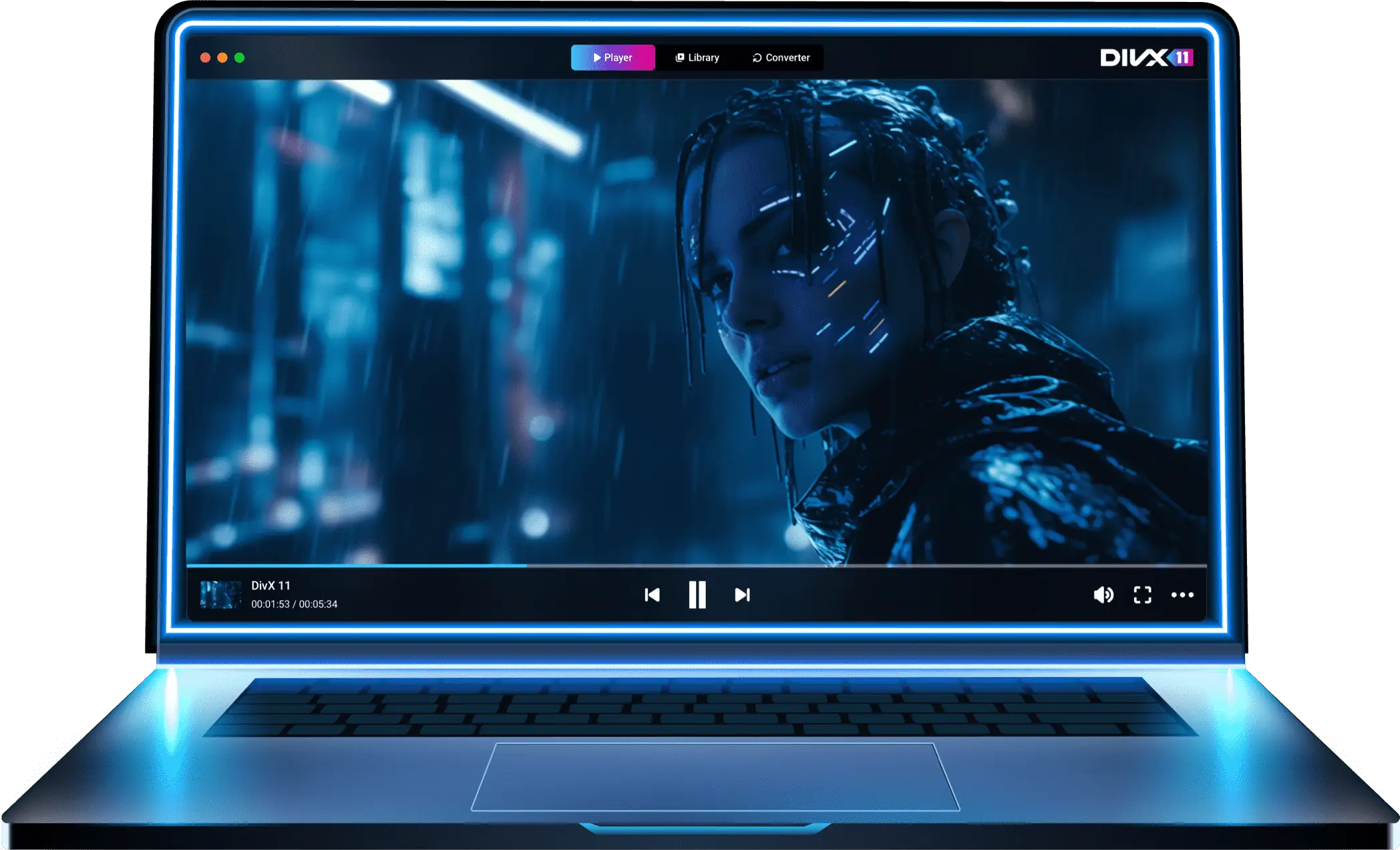
- Use Trusted Tools: Not all video software is created equal. For encoding, playback, or even just learning more about codecs, stick with reputable, well-supported tools. DivX, for example, has long been a trusted resource for both video education and reliable playback solutions. (And hey, we’re always happy to help you make sense of the techy stuff!)
- Back Up, Back Up, Back Up: This can’t be said enough. Keep multiple copies of your important videos, ideally in different places and in common formats. That way, if a hard drive fails or a file gets corrupted, you’ll always have a backup ready to go.
Remember, a little planning now can save you a lot of headaches later. Your future self will thank you!
The Real Secret to Future-Proofing: Simplicity and Compatibility
At the end of the day, it’s easy to get caught up in the excitement of the latest video tech and dazzling new codecs. But as we’ve seen, the real magic behind flawless streaming and hassle-free sharing isn’t always about having the most advanced tools—it’s about choosing what works, everywhere and for everyone.
If there’s one thing to take away, it’s this: you don’t need the fanciest, flashiest codec to keep your videos safe and accessible. Most of the time, simplicity and compatibility win the race. Focus on formats that stand the test of time, and don’t be afraid to lean on trusted resources like DivX for guidance and support along the way.
Curious to learn more about the nuts and bolts of video technology?
Check out the DivX glossary for a deeper dive into codecs, formats, and all things video. And remember—future-proofing your video library isn’t about chasing the future. It’s about making smart choices today, so your memories are always just a click away.